HOW TO FIND YOUR WAY AROUND BEIJING
Some of the links in this post are affiliate links, which means I earn a small commission — at no extra cost to you — if you make a booking or purchase through them. I only recommend services and products that I personally use, trust, or believe will benefit you. Thank you!
How to find your way around Beijing is probably one of the biggest questions you may have if you are planning a trip to China. After all, it is a huge city and who wants to get lost in a foreign country? Especially somewhere with a completely different language and – even worse – system of writing!
I just spent three weeks in Beijing and can put your fears to rest though – navigating Beijing is not hard, even with limited or no Mandarin! If you can manage London, Munich, or New York, Bejing will be quite easy.
There ARE some differences though so read on for a general overview of what to expect, specific differences and tips to make your visit to Beijing as easy and worrifree as it can be. If you are in a hurry you can jump to the end for some top tips and info.
Overview of Beijing Transportation
1. Modes of Transport
There are four main ways of transportation you will need during your visit to Bejing
Walking
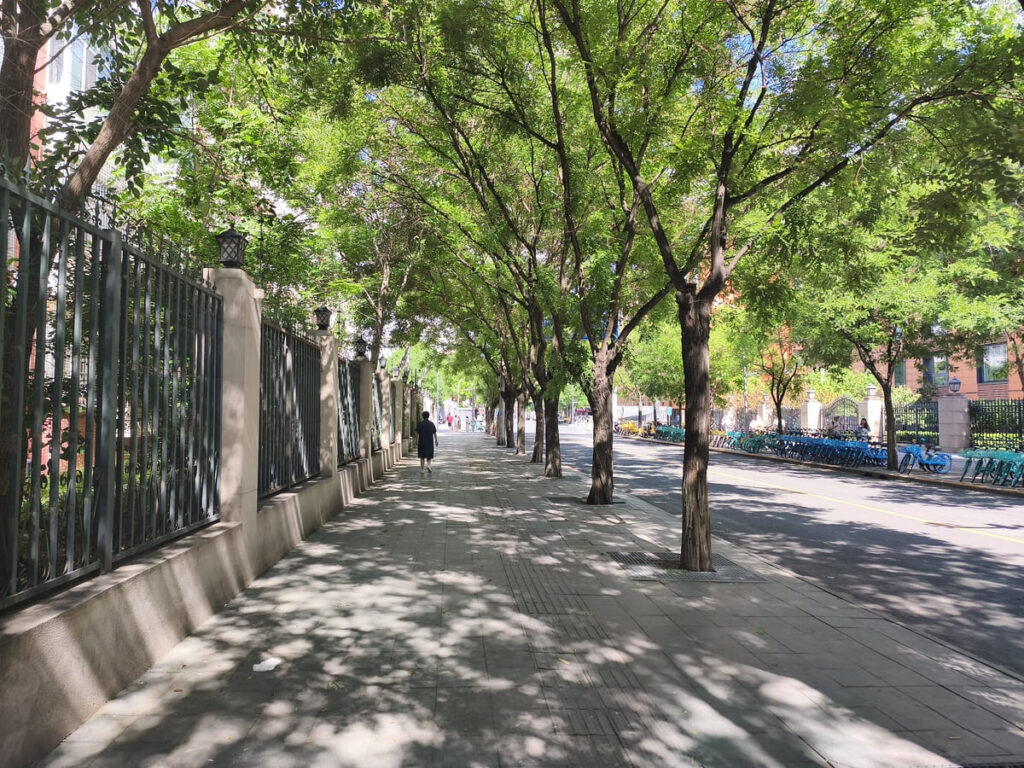
Beijing is surprisingly walkable. The sidewalks are wide, mostly free from obstructions, and in decent shape. There are overpasses, crosswalks, and traffic lights to help you cross the streets. Everything feels safe and easily manageable. Walking here is infinitely easier than in Vietnam or Bali.
That being said, Beijing is a huge city and quite spread-out. Walking is a great option within a specific area (check out my walk from Lama Temple to Shichahai via the hutongs) but won’t be enough for all your sightseeing.
Bikes
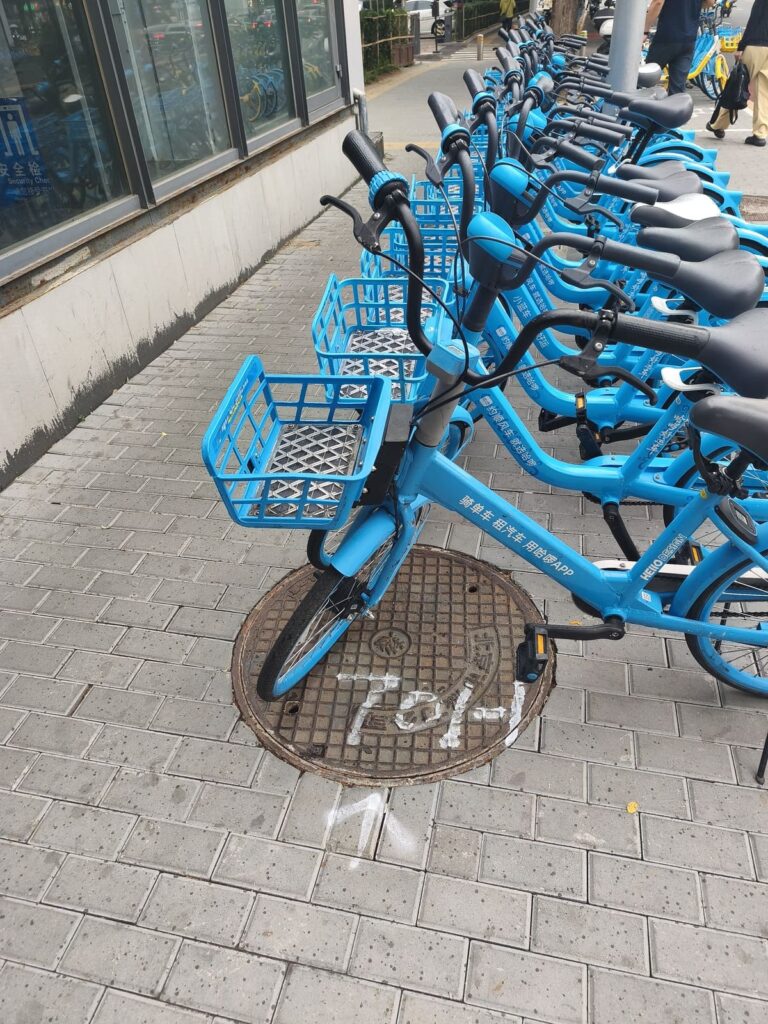
You will find plenty of rental bikes all over town, especially near metro stations. These are inexpensive and can be used via Alipay or WeChat so if you have one of those apps set up you should be good to go.
Surprisingly for someone from Germany I do not ride a bike though so have no personal bike borrowing/riding experience to share. The traffic does seem a bit chaotic to me so I am not sure whether I would recommend riding a bike in Beijing but it is up to you.
Public Transit
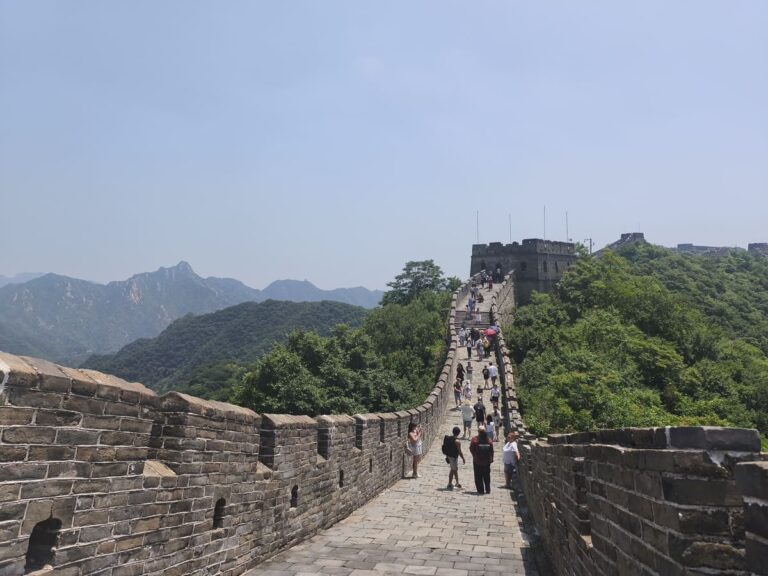
Beijing has an excellent system of subway lines and bus routes. It is very inexpensive, safe, clean, easy to navigate, and convenient. It was also the main mode of transportation I used (aside of walking) so most of this post will concentrate on how to use public transit and what to expect. The only time I did not use the subway/public transit was for my trip to the Great Wall at Mutianyu.
One important caveat though: The subway closes down fairly early at night (usually before midnight) and doesn’r restart before morning. So do plan on another mode of transportation if you are going to be out and about late at night!
Taxi/Didi/Ride Share
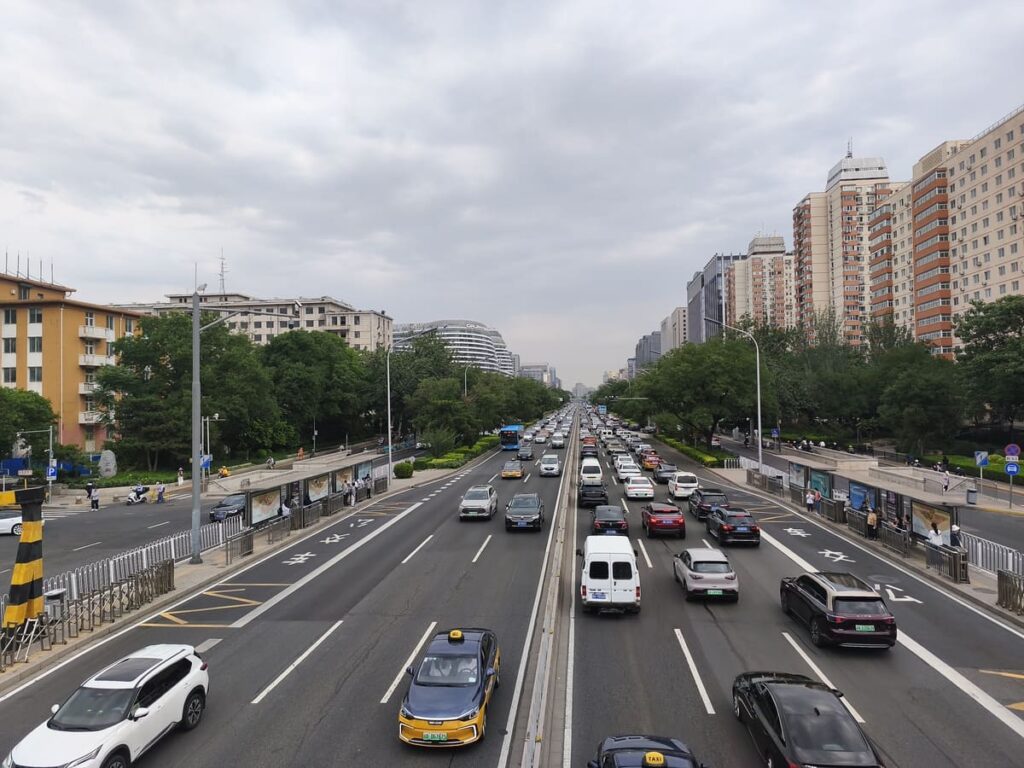
Due to traffic, the subway will often be faster than taxis or buses
Another option are of course taxis or Didi. Didi is another transportation option similar to Uber or Grab you can use either through the Didi app or mini-programs within Alipay. While I personally did not use either, I believe prices are quite affordable.
For travel within the center of Bejing, I think the metro is a better option as you won’t get stuck in traffic. But if you plan to visit any destinations a bit further afield or have a lot of luggage, a taxi or Didi would be your best bet.
2. How to know where to go
As you may have heard, Google Maps is outdated and only of limited use in China. So you absolutely should download either Badu Maps or AMaps. I used AMaps which does have an English interface.
However, I like to use Google Maps and AMaps in combination. Maybe it is just because I am more familiar with Google Maps but I do find it easier to orient myself on there. And at times I had a hard time finding a specific hotel or destination on AMaps when inputting the English name.
So I would recommend using the map you are familiar with (Google/Apple) for general orientation, reading reviews and looking at images etc but the Chinese versions (AMaps/Badu) to check for current updates (like opening times or prices).
You will absolutely need AMaps/Badu for actual navigating, especially for public transit. And it works incredibly well for that purpose. If you enter your start and end destinations (just like in Google Maps) it will tell you which subway or bus lines to take, how to get there, how much it will cost, and how long it will take.
Easy to use and highly recommended!
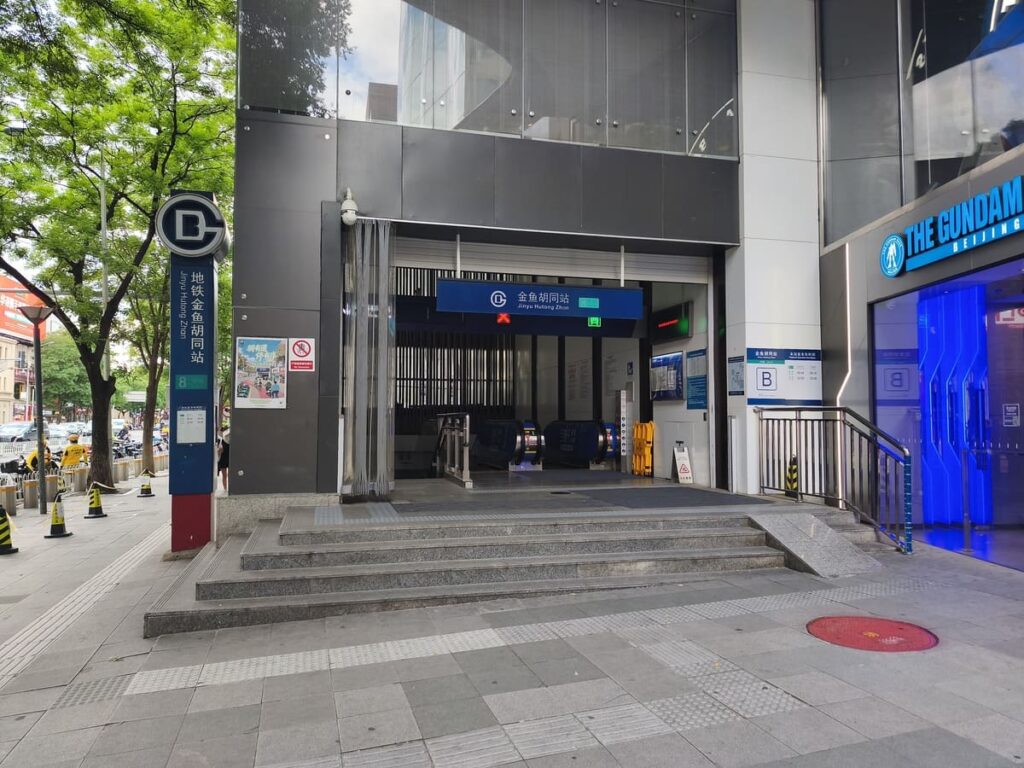
Tickets for Beijing’s public transport
The following mostly concerns the subway lines as I prefer using trains as compared to buses and never needed to use the later. However, the buses I saw looked modern and perfectly easy to navigate. If you are used to taking buses in other cities, you should have no issues!
Ticket/Payment Options:
You have various ways to pay for using Beijing’s metro:
- Buy single tickets
- Pay via Alipay/WeChat
- Pay via credit card
- Use a transit card (Yikatong)
Which of these you use is up to your preferences. My recommendation is:
If you are only in Beijing for one or two days, either buy a single ticket for your ride or use credit card or Alipay/WeChat. If you have already set up Alipay/WeChat this is the easiest but if you just got to town tapping your credit card might be simpler.
For longer stays I prefer getting a Yikatong Card. That way you don’t have to carry your credit card with you (as it is anyway of limited use in China) or at least don’t have to constantly take it out. You aren’t dependent on your credit card company not blocking you (yes, mine is a pain). And you also won’t get stranded if you lose Wifi/data access on your phone (yep, this did happen to me).
Transit Card Basics:
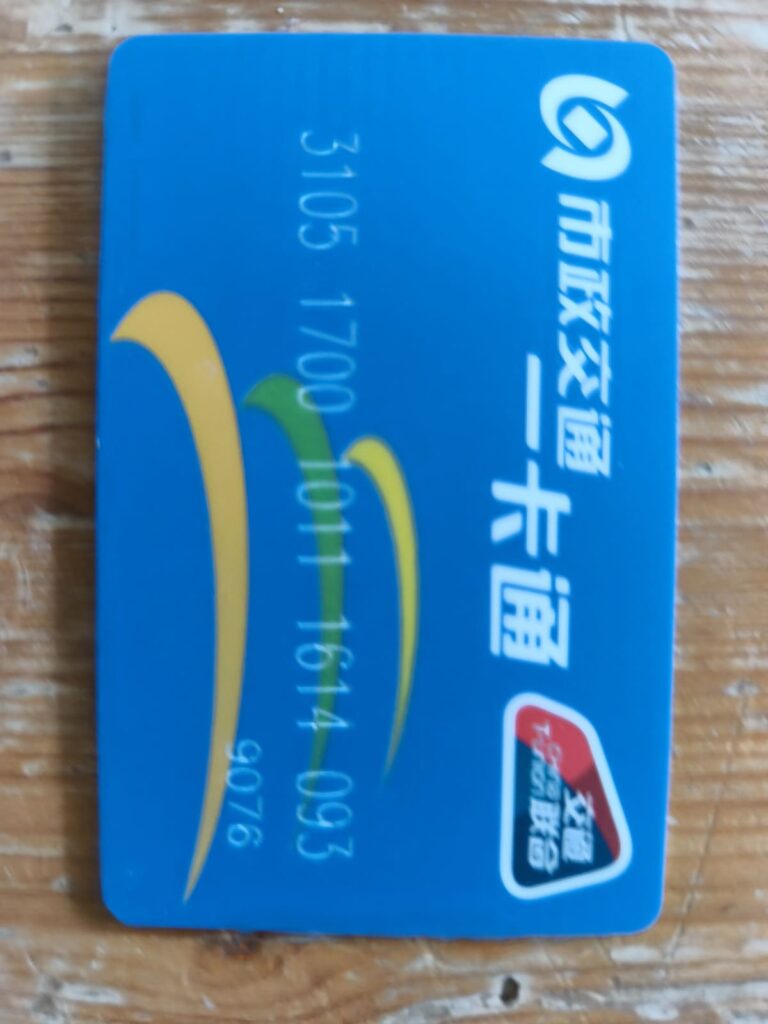
I bought a Beijing Yikatong Card for 20 RMB at the first metro station I arrived at in Beijing and loaded it up with 80 RMB which lasted me the bigger part of my trip. You will need your passport to purchase a transit card! I believe you could return your card and get your deposit and remaining money back but did not try and am not quite sure.
Theoretically you should be able to top up the card at the self-service machines but I found this difficult. The manned service stations are a better bet – you can just hand over your card and the amount you want to add. If there is noone at the service counter, they are likely nearby so if you just go there and look a bit lost someone should come to help you (at least that was what happened to me).
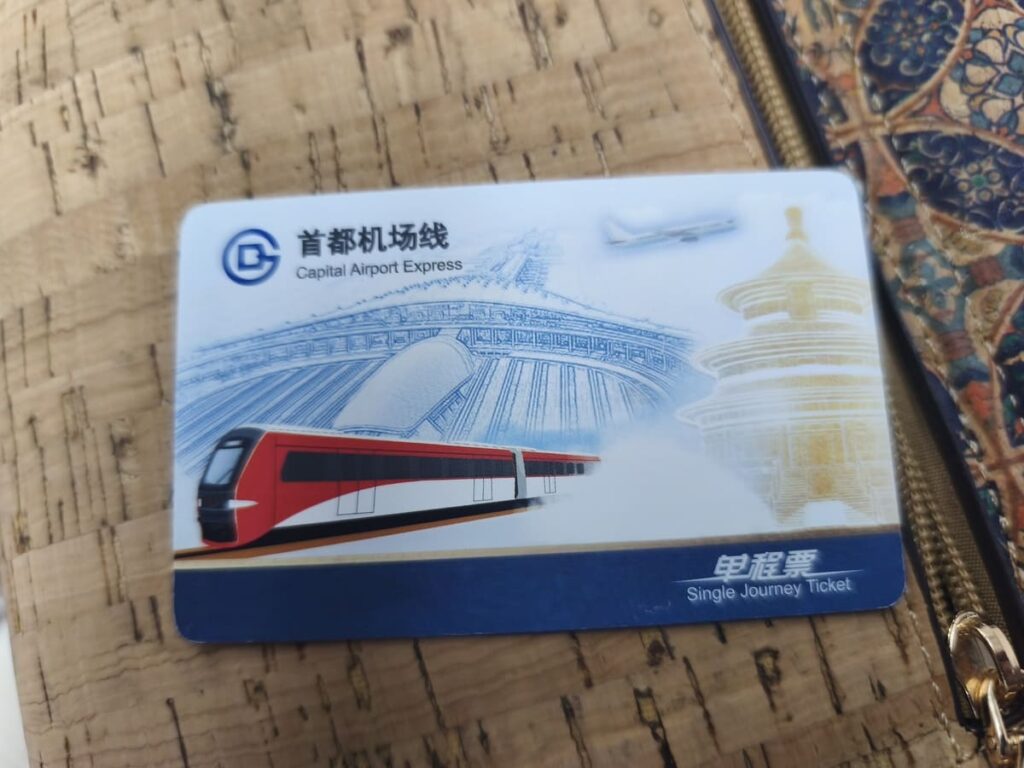
Extra tip: If you arrive at PEK airport and can’t find a place to buy the Beijing Yikatong Card there, just get a single ticket for the Airport Train at the station (the machines worked well) or tap your credit card/Alipay. You can buy the Transit Card once you transfer at a metro station. (Get all the other info on PEK and PKX in my dedicated airport post!)
How much will public transit cost in Beijing?
Public transit is very inexpensive in Beijing. I think it is probably the cheapest system I have ever used (not considering monthly passes). Transportation was a very small part of my travel budget in Beijing.
Trips to the airports are not expensive per se but a lot more than other rides, about 25 RMB from PEK and 40 RMP from DAX to town. However, most other trips are significantly cheaper, ranging mostly between 3 and 5 RMB.
If you are in town for 3 or 4 days I would load maybe 30 RMB on my transit card and then top up if necessary!
All you need to know about Bejing’s Subway
Finding your way
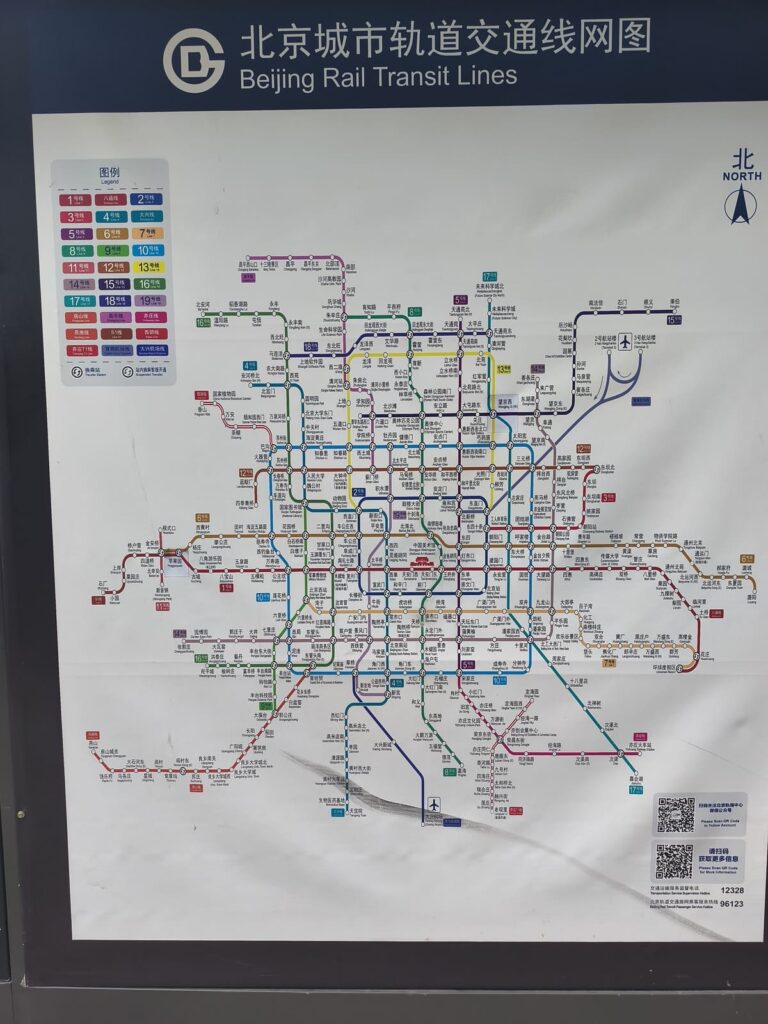
When you first look at a map of the Beijing subway network it might be a bit intimidating. There are so many lines that it looks quite challenging! But no worries, it is easier than it looks.
For the most part there is no need to worry about the network as such. Just check on AMap how to get from where you are to where you want to go and then follow those instructions. So for example use Line 10 and transfer to Line 8. No need to even consider that you will pass ten other lines on the way.
Within the stations all paths are clearly mapped. Even better, everything is in Mandarin characters and in English. So finding your way and identifiying the names of stations is as easy as anywhere in Europe.
Safety and security in Beijing’s subway
Now there is at least one aspect of Beijing’s metro that likely is different from what you are used to: security. Not only are there a lot of guards and safety stewards in most trains, but there is airport-like security at all metro entrances.
You will have to put your bag/purse/suitcase through the X-ray machine and walk yourself through one of those airport scanners/be wanded. Though a bit surprising, it really is not a big deal. There is usually no line and it will take only a minute.
Depending on the station, the security check can be before or after the ticket machines so make sure you have your ticket to avoid having to do it twice.
Getting through the turnstiles
Aside of passing security, there are ticket gates. These are similar to the ones in Europe or the US. You either scan (Alipay/WeChat) or tap (Credit Card/transit card) and get a green light or opened gate. When using a transit card the little screen will tell you how much credit you have left.
When you reach your destination you will again tap/scan to get out of the ticketed area. At that point your exact fare will be calculated and deducted.
If using single tickets, you insert your ticket when leaving the station and it gets “eaten” by the machine and does not reappear (or at least that is what happened to my Airport Express Ticket).
Finding your way within the station
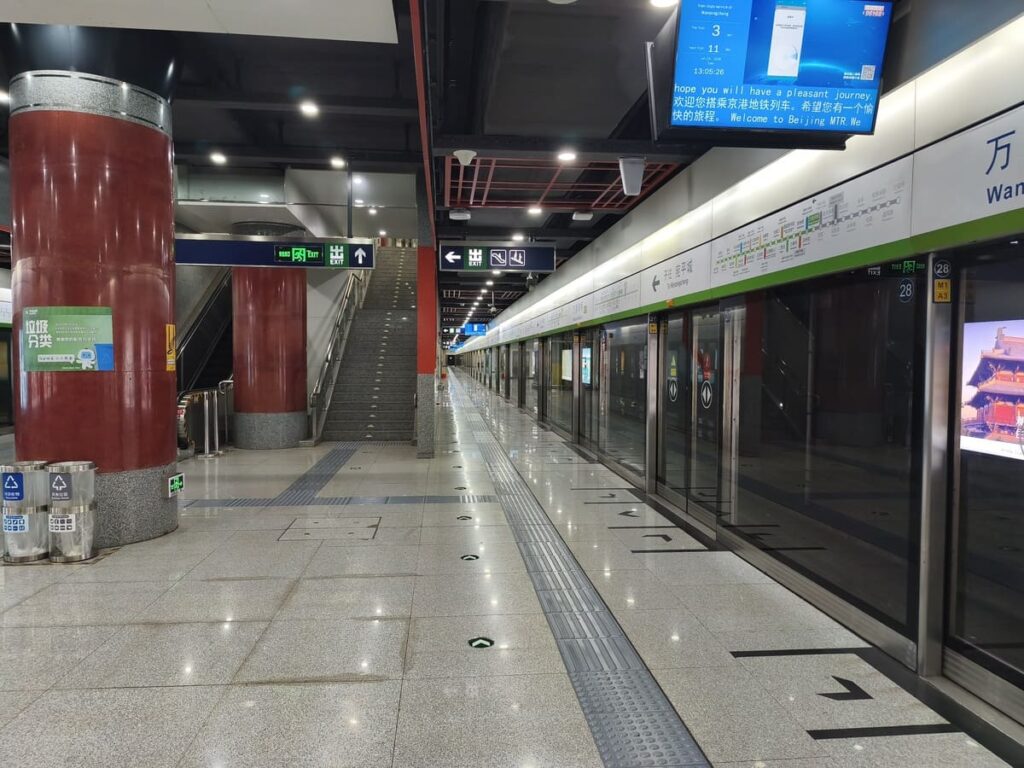
Depending on the station you may have quite a bit of a walk still once you are inside the metro station.
My advice: Just follow the color-coded signs for the Line you need. It can feel a bit confusing as you may have to go up, around, down, through tunnels, down escalators, around turns, and again up but eventually you will get there!
Most stations do seem to have escalators/elevators (you may have to look for them though). But if you have a lot of luggage taking a Didi may be a better option. The paths within stations can be long and if you try to avoid stairs it can be even more confusing and farther.
In contrast to many subway stations in other countries, Bejing metro stations very rarely have any shops or other amenities within. They are very utilitarian and bare-bones. There are sometimes vending machines for drinks (requiring WeChat or Alipay), but you will be out of luck if you were planning to pick up a snack or souvenir.
Almost all stations do have public restrooms but if you are female beware – the toilets may only be of the squat variety!
Navigating train platforms in Beijing
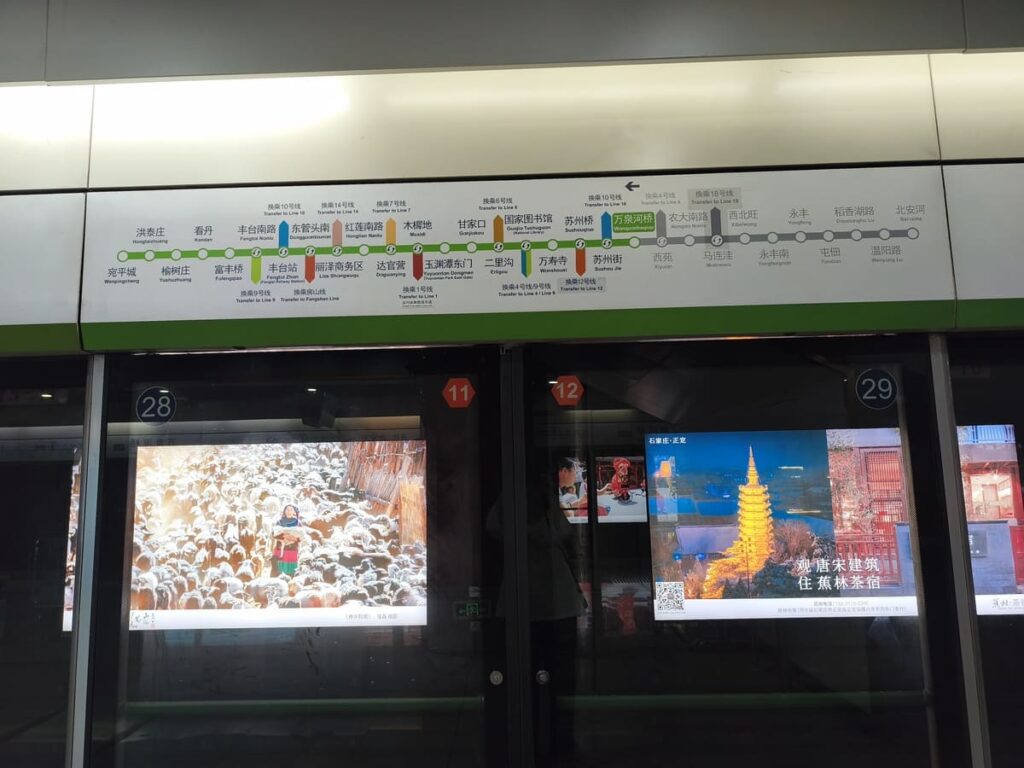
When you get to the platform, make sure you know which direction the train will go. This is usually very well sign-posted.
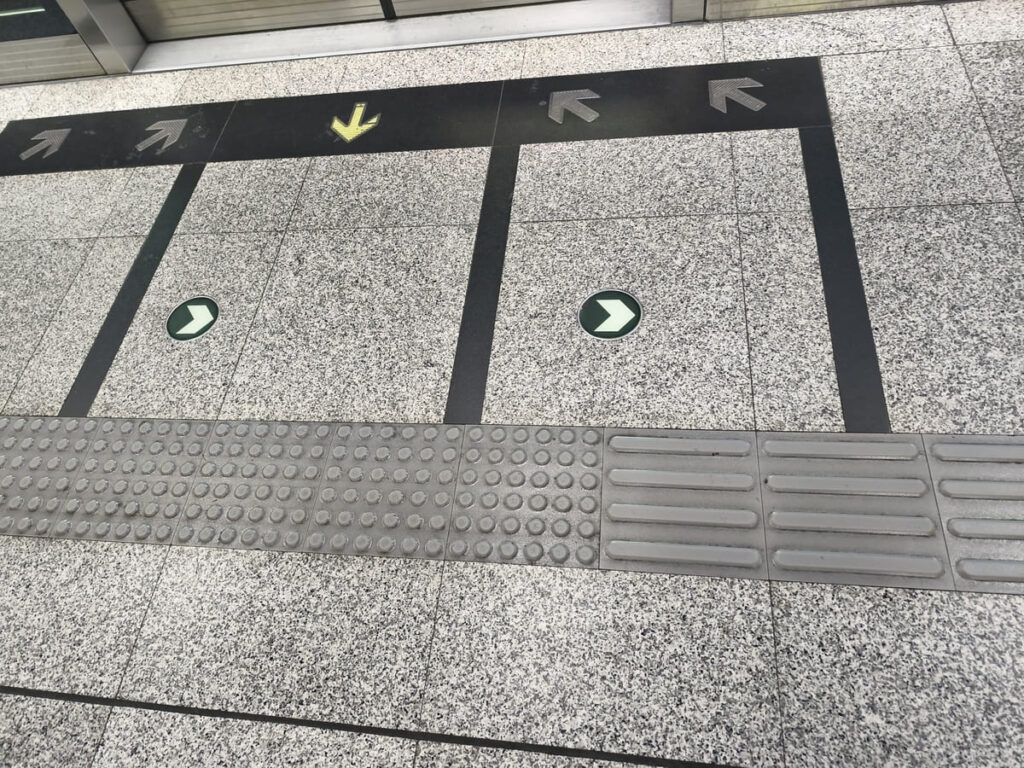
There are also clear signs when the next train will arrive and markings on the floor of where to wait. It is very orderly and easy to navigate. All the platforms I saw had glass walls that only opened once the train is there so there is no danger of falling/being pushed onto the tracks.
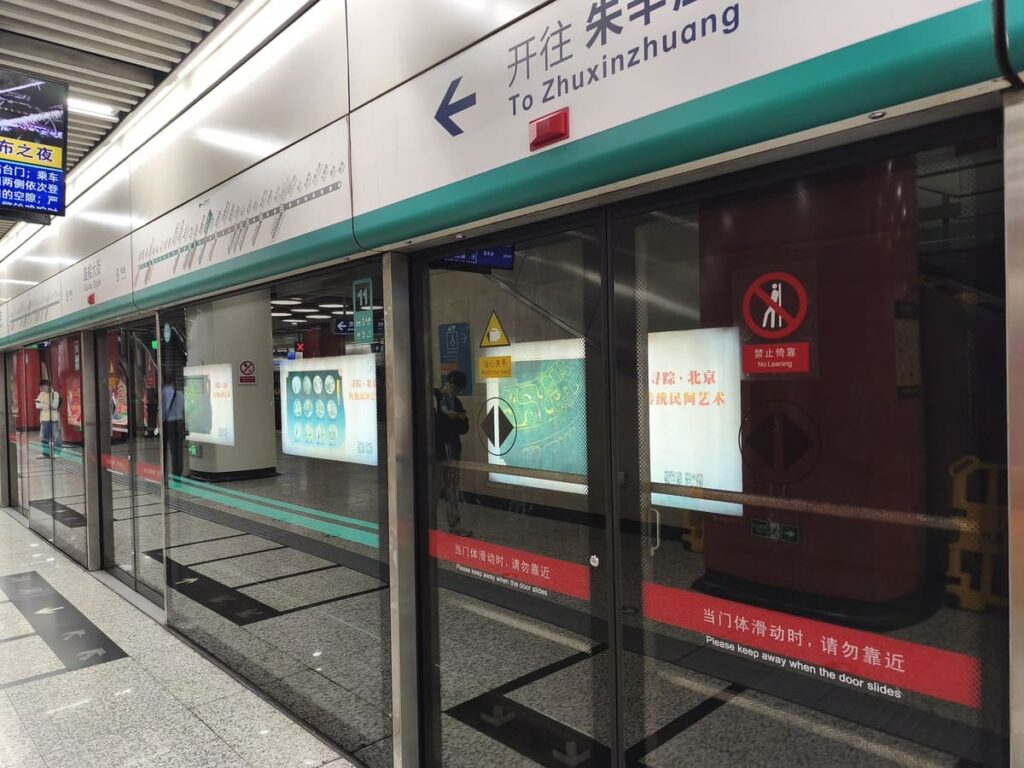
Once the train stops, let passengers disembark (though sometimes people will already push in so this doesn’t work perfectly). Do however not be too polite as otherwise locals will push right by you.
As trains are very frequent (I never waited more than 8 minutes and usually 4 or less) there is no need to run and try to jump in at the last moment. You do not want to get caught in the doors!
Riding the subway trains
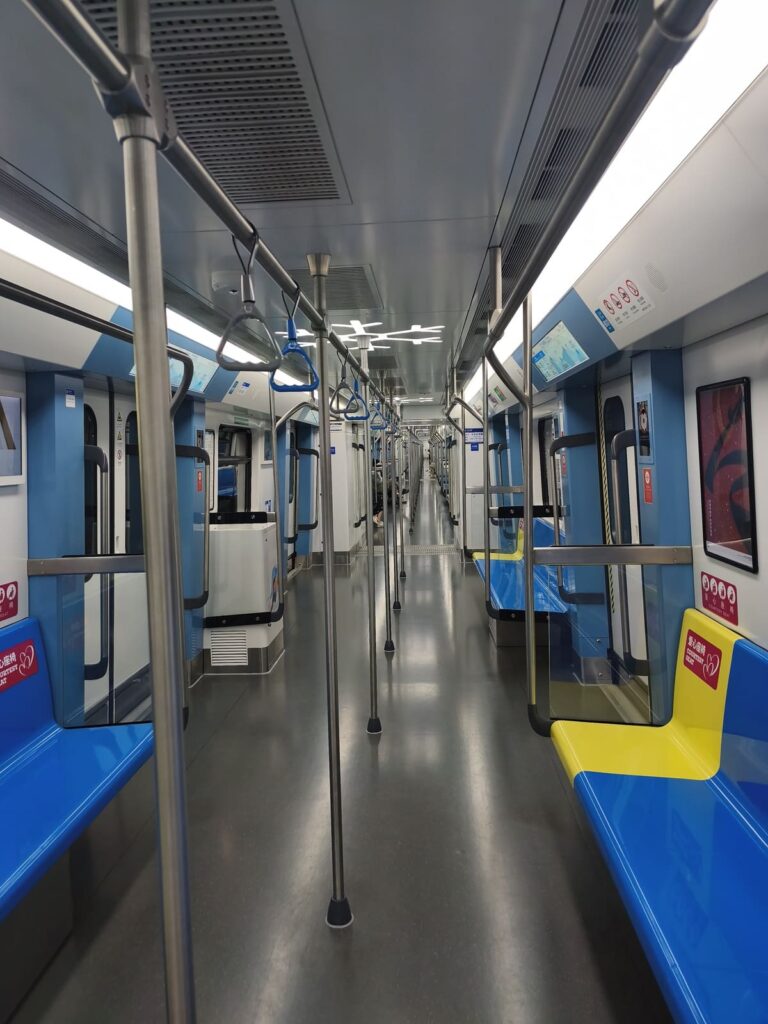
Not much to say here, it works like any other subway anywhere. You may have to stand but I rarely had to squeeze in so it wasn’t too bad.
Again there are announcements both in Mandarin and English as well as signs above the doors and within the train. It is quite easy to follow along/know where you are at so getting off at the right stop is not difficult. If you are still worried you can use AMap in addition to track your progress.
Somewhat to my surprise, many trains/wagons have Subway Safety Stewards patroling inside. A bit unusual but on the other hand I did not see any unruly behaviour in the trains.
Exiting the subway station
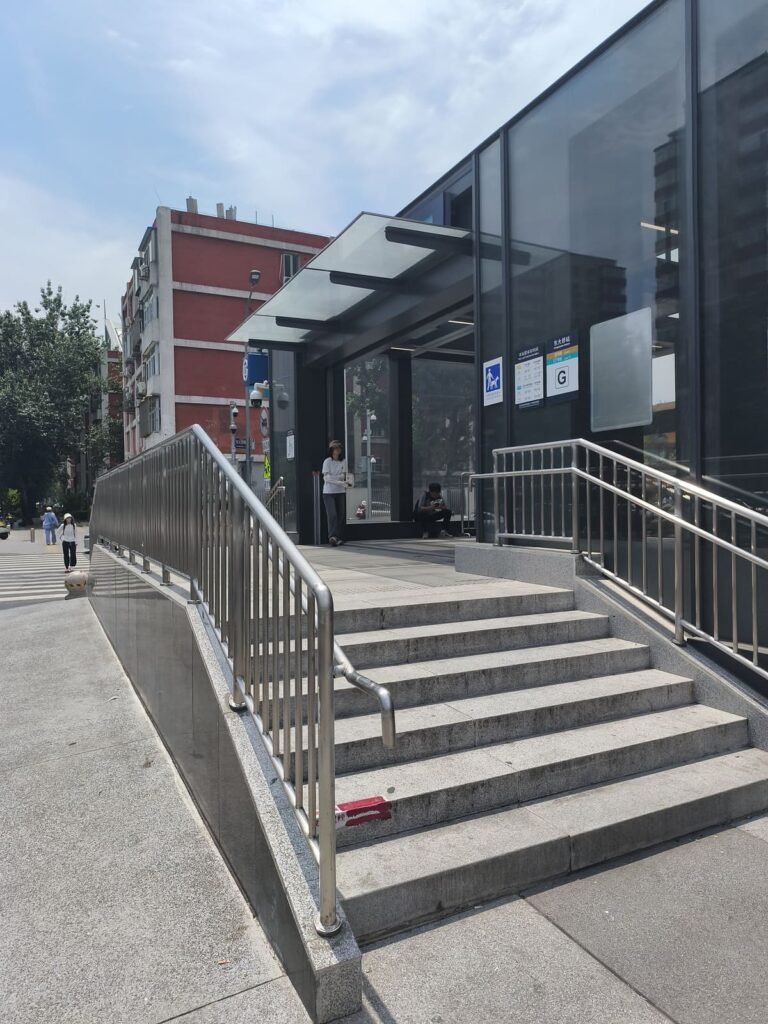
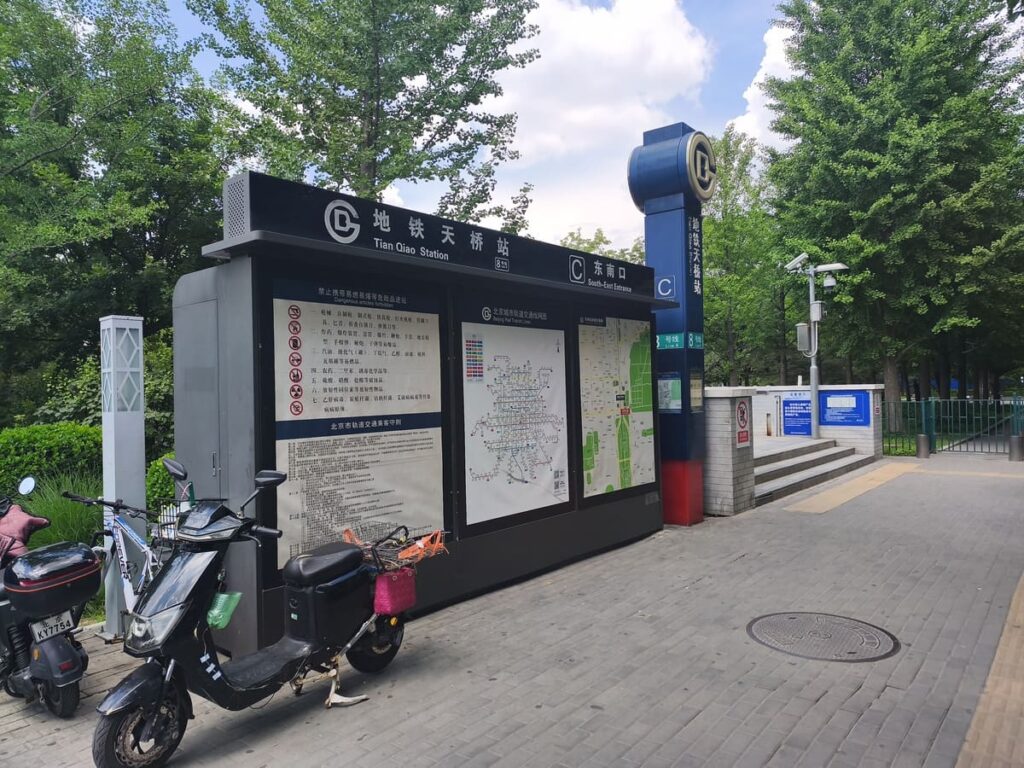
While finding the exit per se is not difficult, it is a good idea to check on AMap which exit is best for your purposes. Some stations can have 10 exits and they may be quite a bit apart. If you know which exit is best, you can save yourself having to cross streets or getting confused once back on the street.
There are also signs inside the station telling you which exit leads to which sights/streets but these can be a bit more confusing as places often have several names.
Top Tips and Info for Getting around Beijing
- Use Amap to figure out where to go
- You can easily walk shorter distances
- You need your passport to buy a transit card
- Public transit is inexpensive so don’t put on too much money
- Topping up of your card is easier at service counters
- You need to pass airport-style security every time you enter the subway
- Do not expect a lot of shops or other amenities within stations
- The subway stops running fairly early (around or before midnight) and doesn’t reopen until morning (usually betweeb 5 and 6 am)
- Signs in subway stations are both in Mandarin and English
- All announcements in trains are bilingual
- Tap your card/scan your phone to pass the turnstiles
- Subway stations can be massive and require a lot of walking
- To find the exit or another line, follow the signs even if it is confusing
- Trains are quite frequent
- The entire subway experience is very safe
- Check which exit to use as they can be far apart from each other
Getting around Beijing is easy
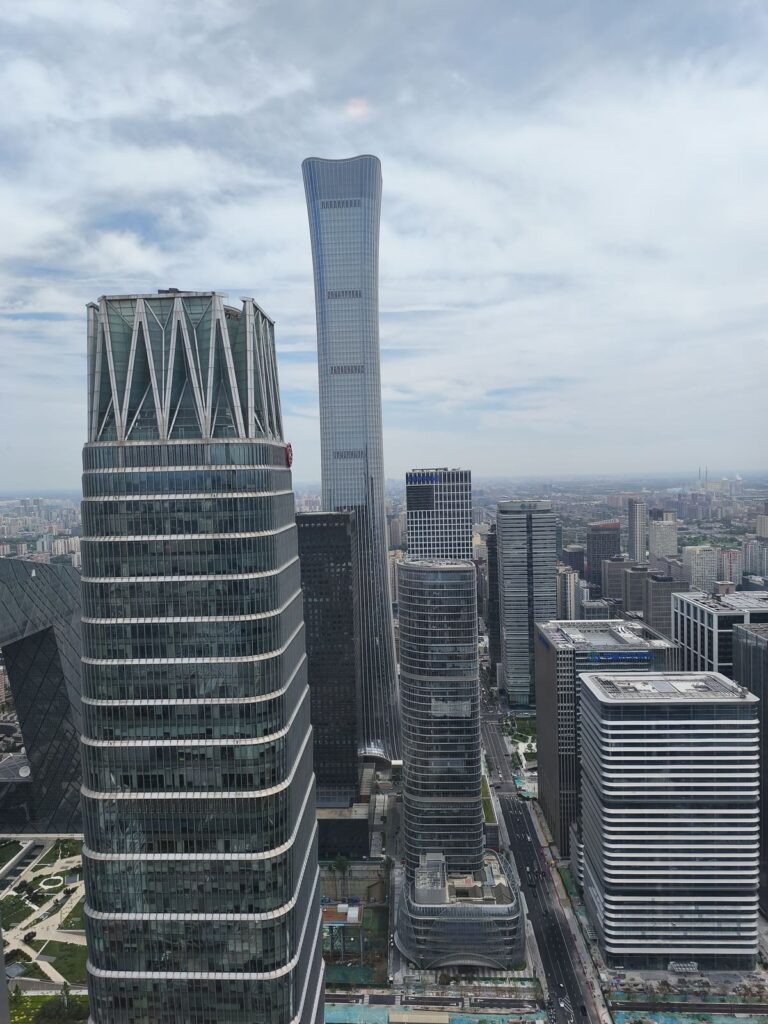
Navigating in Beijing is very easy for a big city. Everything is well-planned, runs like clock-work, feels safe, and is inexpensive. Even if you speak not a single word of Mandarin you won’t struggle – all signs and announcements are bilingual.
The biggest difference to what you are used to are probably the safety features: security controls at the entrance, safety officers, glass walls at platforms, quite a bit of police presence. The second surprise to me was how far and how complicated the path from entrance to platform (or between platforms) can be. However, this is well sign-posted – just follow the process/instructions and you will eventually get to your destination!
All in all, public transit is one of Beijing’s biggest pluses. Don’t let fear of navigating this massive city stop you from visiting Beijing. After just a day or two you will find it very easy and travel all over town like a local!
Don’t leave home without it
I can honestly say that I would never go on a trip without the appropriate insurance. Needs vary and there are many different insurance products. Personally, I think medical insurance at a minimum is essential. It only takes a small injury or a pesky virus to rack up the bills!
World Nomads offers coverage for more than 150 adventure activities as well as emergency medical, lost luggage, trip cancellation and more and is often recommended for international travelers who want comprehensive protection.
SafetyWing is a budget-friendly option offering a subscription model and is especially well-suited to long-term travelers or digital nomads.
As always, read the fine print, check your existing coverage, and make sure it is the right product for you.
I receive a fee when you get a quote from World Nomads using this link. I do not represent World Nomads or SafetyWing. This is not a recommendation to buy travel insurance.